For electronics manufacturers operating in aerospace, defence, automotive and other high-reliability sectors, structured PCB design courses play a critical role in preventing avoidable manufacturing failures. Design decisions made during layout directly influence solderability, inspection outcomes and long-term field performance. When those decisions are made without a clear understanding of fabrication and assembly constraints, the cost of correction can escalate quickly.
High-quality PCB courses help engineers connect design intent with real manufacturing conditions. Rather than focusing solely on layout software tools, effective training examines how copper distribution, pad geometry and routing strategy affect downstream processes, including both automated assembly and hand soldering, where manual intervention is required. By strengthening this understanding, organisations reduce rework, improve first-pass yield and create more consistent products.
Why PCB Design Courses Matter in High-Reliability Environments
Modern electronic assemblies are increasingly compact and complex. As layer counts increase and components shrink, tolerance for layout error decreases. In this context, PCB design courses provide structured knowledge that helps engineers anticipate production challenges before boards reach fabrication.
A key theme within professional PCB courses is Design for Manufacture (DFM). Design for Manufacture ensures that a board can be fabricated, assembled and inspected consistently without introducing unnecessary risk. Training reinforces how DFM principles reduce soldering complications, mechanical stress and inspection variability.
Another essential discipline addressed in courses in PCB design is Design Rule Check (DRC). This refers to the automated verification of spacing, track width and clearance rules within layout software. However, running a DRC report is not sufficient on its own. Well-structured PCB design courses teach engineers how to interpret rule violations correctly and understand the manufacturing implications behind each parameter.
What a PCB Design Course Should Cover
A robust design course must reflect the realities of fabrication and assembly rather than remaining purely theoretical. Effective PCB design courses begin with stack-up planning and material selection, ensuring that electrical performance and mechanical stability are considered from the outset.
Routing strategy forms a significant component of all professional PCB design courses. Engineers learn how conductor width, spacing and return path planning influence signal integrity and electromagnetic compatibility. Careful management of track spacing is especially important in high-density layouts, because insufficient clearance can introduce cross-talk or compromise inspection criteria.
During layout, the correct definition and placement of solder mask openings help prevent solder bridging and ensure reliable pad isolation during assembly. Thermal management is another important focus for PCB design. Designers must understand how thermal relief connections affect solderability when pads are tied to copper planes. Without appropriate thermal relief structures, joints may not form consistently during assembly, leading to preventable defects.
Documentation standards are also embedded within PCB design courses. Clear and accurate assembly drawings ensure that manufacturing teams interpret component placement and orientation correctly. When documentation is ambiguous, inspection and rework become more complex and costly.
PCB Design Courses and IPC Standards Alignment
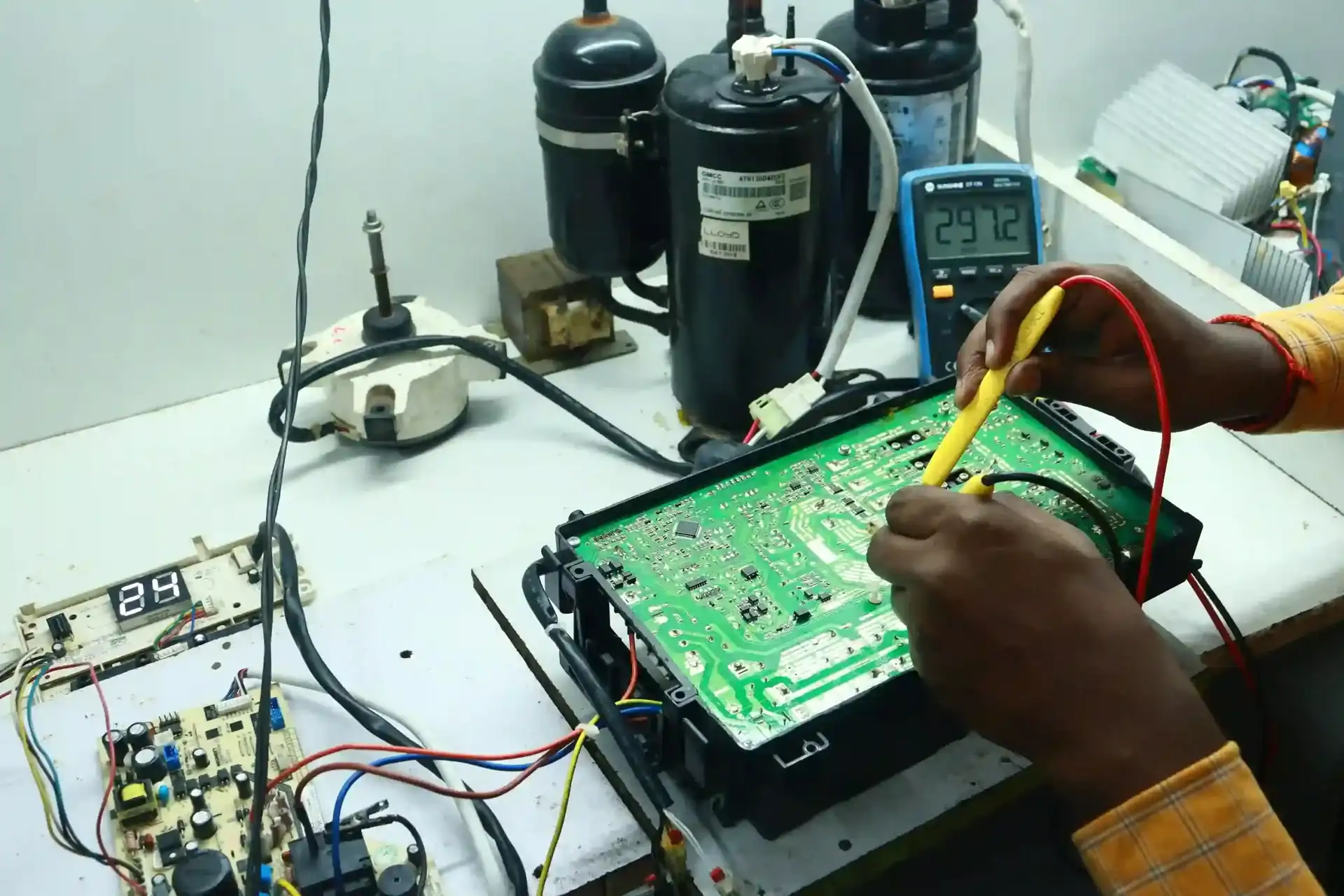
For organisations working to IPC standards, alignment between design and inspection expectations is essential. Professional PCB design courses reinforce how layout decisions influence compliance with IPC-A-600 and IPC-A-610 acceptance criteria. Designers who understand inspection requirements can incorporate those expectations directly into their layouts, ensuring assemblies are prepared for final inspection without unnecessary rework or clarification.
At A.R.T., our PCB design courses are delivered by Master IPC Trainers who are actively involved in IPC task groups. This ensures that training reflects current standards development and industry practice. Participants gain practical insight into how DFM principles and DRC parameters relate to real inspection outcomes.
Engineers seeking broader technical competence may combine design learning with IPC training to strengthen assembly and inspection knowledge alongside layout skills. This integrated approach ensures that our courses are not isolated from manufacturing realities but instead reinforce them.
Practical Application Within PCB Design Courses
The strength of structured PCB design courses lies in their practical orientation. Rather than relying solely on theoretical explanation, training incorporates real layout scenarios that highlight common risk areas. Participants review DRC outputs, examine copper balancing strategies and assess how routing choices may affect solder joint formation.
Engineers explore how poor impedance control or inadequate grounding can influence reliability. They consider how DFM decisions impact manufacturability and how documentation clarity supports traceability.
Understanding rework implications also reinforces design discipline. Insights drawn from programmes such as the Rework C1 course illustrate how difficult certain repairs can become when layouts lack adequate access or thermal balance.
Who Benefits From PCB Design Courses?
Professional design courses are suitable for graduate engineers developing foundational layout competence, experienced designers transitioning into safety-critical industries and quality managers seeking a deeper understanding of design constraints. Manufacturing engineers also benefit from structured exposure to design principles, as it improves collaboration across departments.
For organisations operating in aerospace, defence or space sectors, courses in PCB design support compliance with stringent environmental and inspection standards. Consistency in DFM application, DRC configuration and documentation practice reduces variation between projects and enhances overall process stability.
Because A.R.T. is the longest-running IPC Certification Centre in the UK and the only UK centre with members active on IPC task groups, our PCB design courses are grounded in practical industry knowledge rather than abstract theory.
Strengthening Reliability: Design Courses Matching Today’s Needs
Ultimately, the objective of PCB design courses is to embed reliability at the earliest stage of product development. When engineers understand how layout choices affect solderability, inspection and long-term durability, they reduce the likelihood of costly redesign cycles. This proactive approach not only protects margins but also shortens development timelines and strengthens customer confidence.
Clear documentation, disciplined application of DRC and consistent use of DFM principles all contribute to stronger outcomes. By investing in structured PCB design courses, organisations create a foundation for predictable manufacturing performance. Over time, this consistency supports higher yields, fewer non-conformances and more efficient collaboration between design, quality and production teams.
To explore how A.R.T. strengthens in-house design capability, review our full range of training programmes, including IPC training course portfolio, and specialist technical modules. By combining practical instruction with standards alignment, A.R.T. continues to deliver PCB courses that support real-world designs and manufacturing reliability.
Interested in More Information?
Call: +44 (0)1245 237083
Email: [email protected]